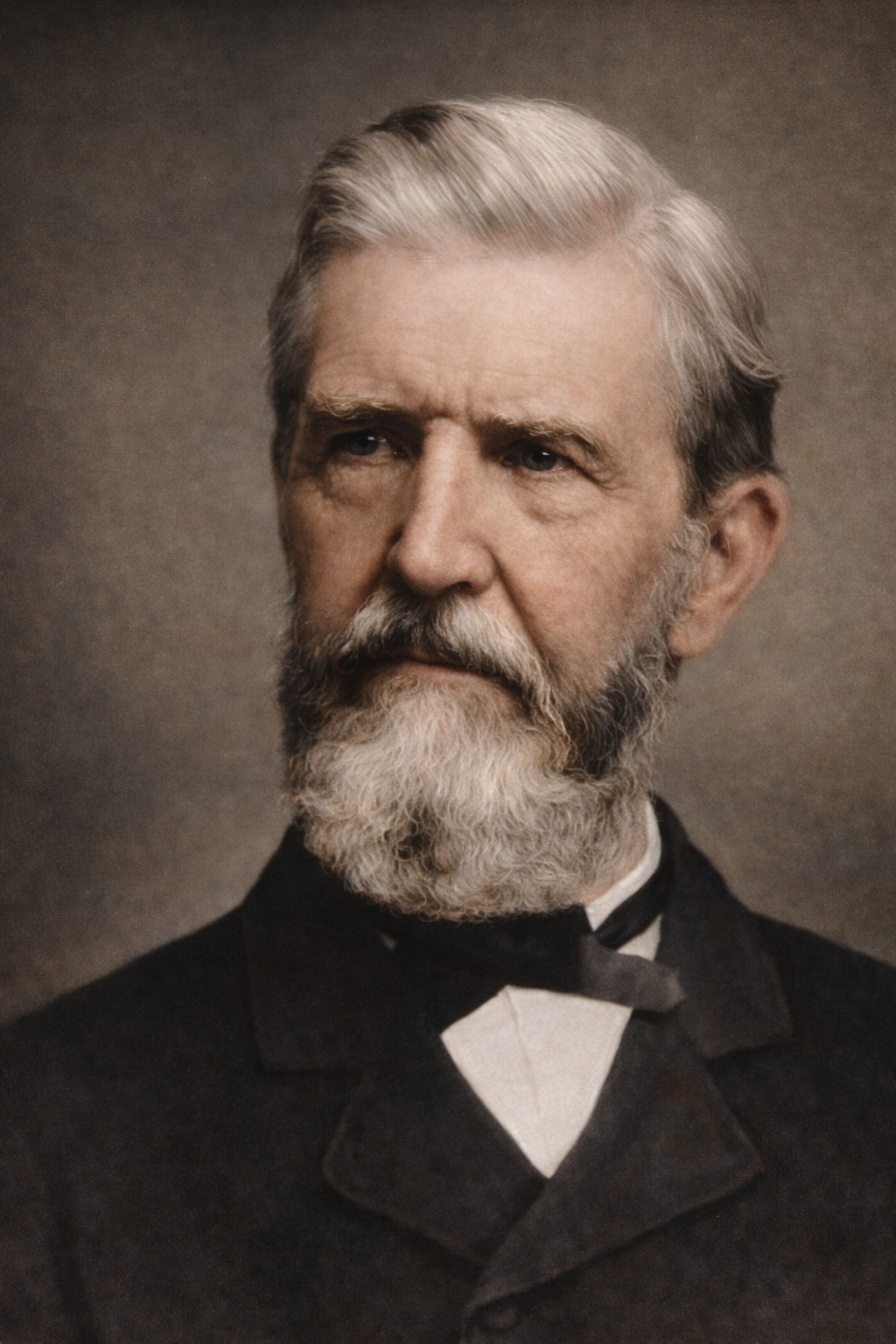
George Storrs (1796–1879)
George Storrs represents a category of early Adventist pioneers who integrated advancing prophetic understanding with broader Christian reform commitment. His advocacy for the Millerite movement, combined with passionate abolitionism and social reform, demonstrated that Adventist faith embraced justice issues.
Early Life & Ministry
- Born: Lebanon, Connecticut
- Denomination: Methodist background with independent revival work
- Preaching: Itinerant evangelist in American revival tradition
- Social Conscience: Committed to reform movements alongside spiritual revival
Dual Advocacy: Prophecy & Justice
Prophetic Preaching:
- Embraced Millerite chronological calculations
- Preached 1844 advent expectation
- Advocated for prophetic watchfulness
- Influenced believers toward Millerite conviction
Abolitionist Stand:
- Passionate opponent of slavery
- Advocated emancipation as moral imperative
- Integrated gospel and justice
- Demonstrated faith commitment to systemic reform
Integration:
- Connected prophetic expectation with moral reform
- Argued that coming judgment should motivate immediate justice
- Advocated comprehensive Christian social engagement
- Modeled integrated faith and action
Publications & Influence
Written Works:
- The Chain of Truth: Prophetic and theological work
- Articles in revival and religious publications
- Tracts addressing prophecy and reform
- Public advocacy for justice causes
Rhetorical Impact:
- Powerful speaker drawing crowds
- Articulate advocate of reform principles
- Demonstrated biblical foundations for social change
- Influenced broader evangelical reform movements
The 1844 Experience
Through the Disappointment:
- Maintained faith despite prediction failure
- Continued reform advocacy
- Gradually adapted prophetic understanding
- Remained active in religious and reform circles
Ongoing Legacy:
- Lived long enough to witness evolving Adventist movement
- Connected Millerite generation to Seventh-day Adventist emergence
- Represented continuity of faith through crisis
Adventist Connection
Bridge Generation:
- Participated in early Adventist gatherings
- Supported emerging Seventh-day Adventist organization
- Contributed prophetic and reform perspectives
- Represented broader Adventist commitment to justice
Social Justice Model:
- Exemplified integration of spiritual and social reform
- Demonstrated that Adventist faith embraced justice issues
- Advocated for oppressed and marginalized
- Modeled comprehensive Christian witness
Character & Influence
- Courage: Advocated unpopular reform positions
- Consistency: Maintained faith through disappointment
- Integration: Combined spiritual conviction with social action
- Longevity: Ministry spanned decades of American religious transformation
- Credibility: Respected figure in both religious and reform circles
Historical Records
- Personal papers in religious archives
- Articles in revival and abolitionist publications
- The Chain of Truth digitized at Archive.org
- Correspondence preserved in Methodist and reform archives
- Contemporary accounts of his ministry and advocacy
Legacy & Recognition
Broader Significance:
- Represents American revival-reform synthesis
- Exemplifies integration of spiritual and social witness
- Demonstrates that 19th-century evangelicals engaged justice issues
- Models comprehensive Christian commitment
Adventist Perspective:
- Pioneer who maintained faith through disappointment
- Connected Millerite generation to Adventism
- Demonstrated that Adventist prophetic expectation motivated social justice
- Represented broader vision of Christian witness
Reflection
George Storrs exemplifies the best integration of spiritual conviction and social reform. His twin commitments to biblical prophecy and abolition demonstrate that serious Christian faith engages both transcendent hope and present justice. His willingness to maintain faith after 1844 disappointment, combined with his continued reform advocacy, reveals deep spiritual resilience and comprehensive Christian vision.